
Research
BATA Kimono
Pronounced: BAH-TAH
A field study exploring how Asante war garments and Japanese kimono construction arrived at similar ideas of movement, layering and protection—forming the foundation of the BATA Kimono.
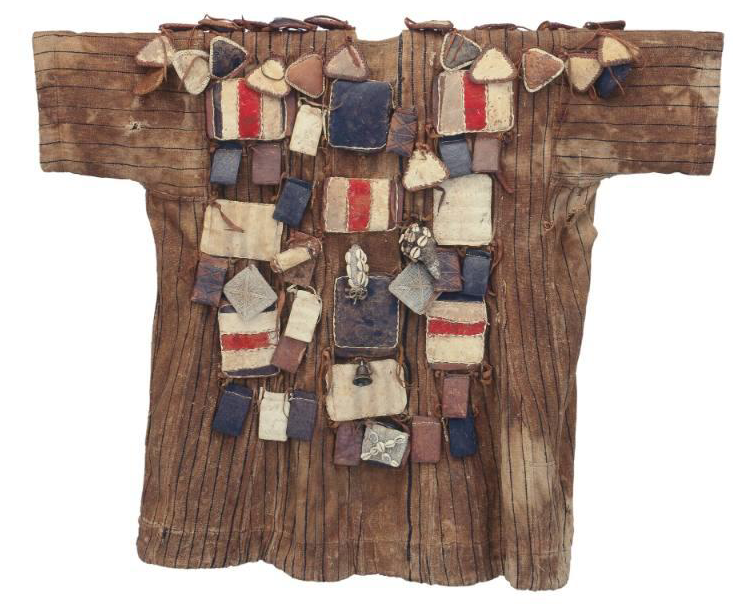
The BATA Kimono
The BATA Kimono began with a question.
How should a body be prepared for conflict without sacrificing movement?
Across history, societies developed garments that did more than cover the body. They organized it. They prepared it. They communicated readiness before action began.
This study follows two such traditions—the Asante war garment and the Japanese kimono—not because they share a common origin, but because they arrived at remarkably similar ideas through different histories.
Not An Aesthetic Coincidence
The similarities between the Asante batakari and the Japanese kimono are easy to mistake for visual coincidence.
They are not.
Neither garment was designed for fashion alone. Both emerged from practical needs shaped by conflict, climate and culture.
Each privileges movement over restriction.
Each favors layered construction over rigid protection.
Each transforms cloth into a system of preparation.
The resemblance is not historical influence.
It is structural convergence.
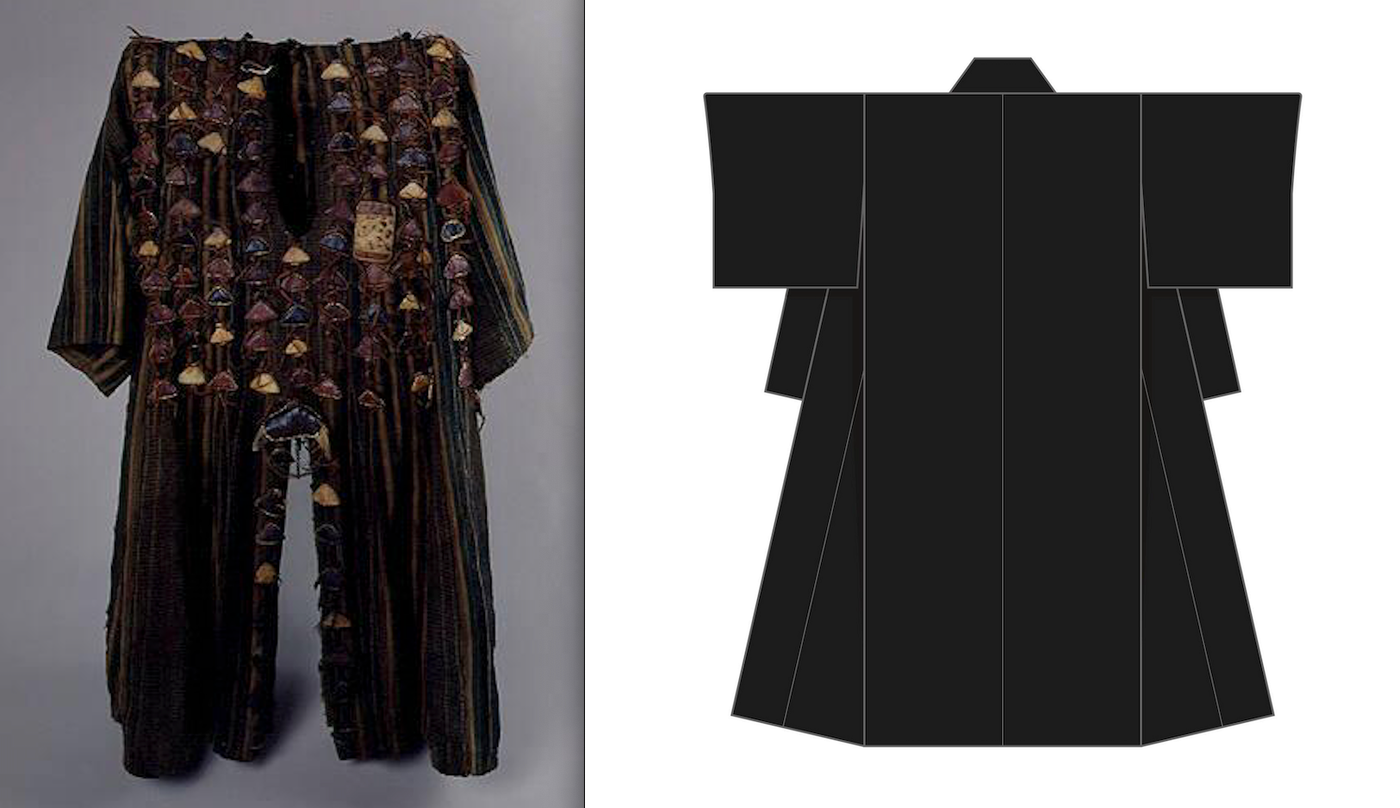
The Asante War Garment
Within the Asante Empire, warriors wore layered garments commonly associated with the batakari.
Loose construction allowed movement through dense forests and intense heat while leather, talismans and protective objects created another layer of defence.
Protection extended beyond the physical.
The garment carried belief, identity and preparation alongside the body.
It became armour without becoming rigid.
The Japanese Kimono
The Japanese kimono answered many of the same questions through a different construction.
Straight seams.
Wide sleeves.
A standardized T-shaped silhouette.
Rather than forcing the body into rigid form, the kimono moved with it.
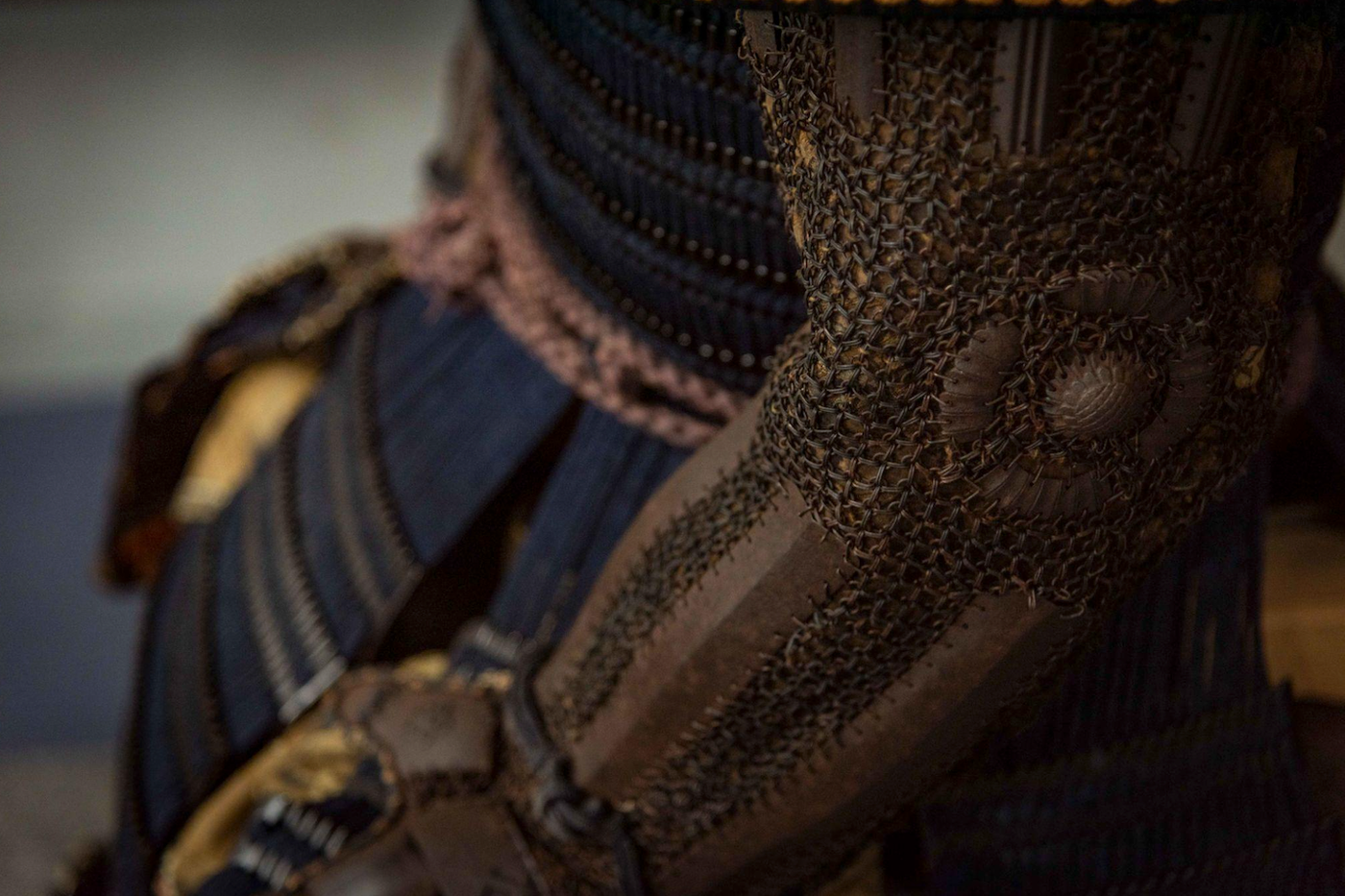
For the samurai it formed the architectural layer beneath armour.
Even without armour, it projected discipline through proportion, restraint and movement.
Movement As Protection
The most important similarity is not visual.
It is philosophical.
Western armour often pursued protection through hardness.
The Asante garment and the kimono pursued protection through movement.
One evolved within West Africa.
The other in Japan.
Both concluded that mobility could become its own form of defence.
Movement is not the opposite of protection.
Movement is the protection.
The BOW Interpretation
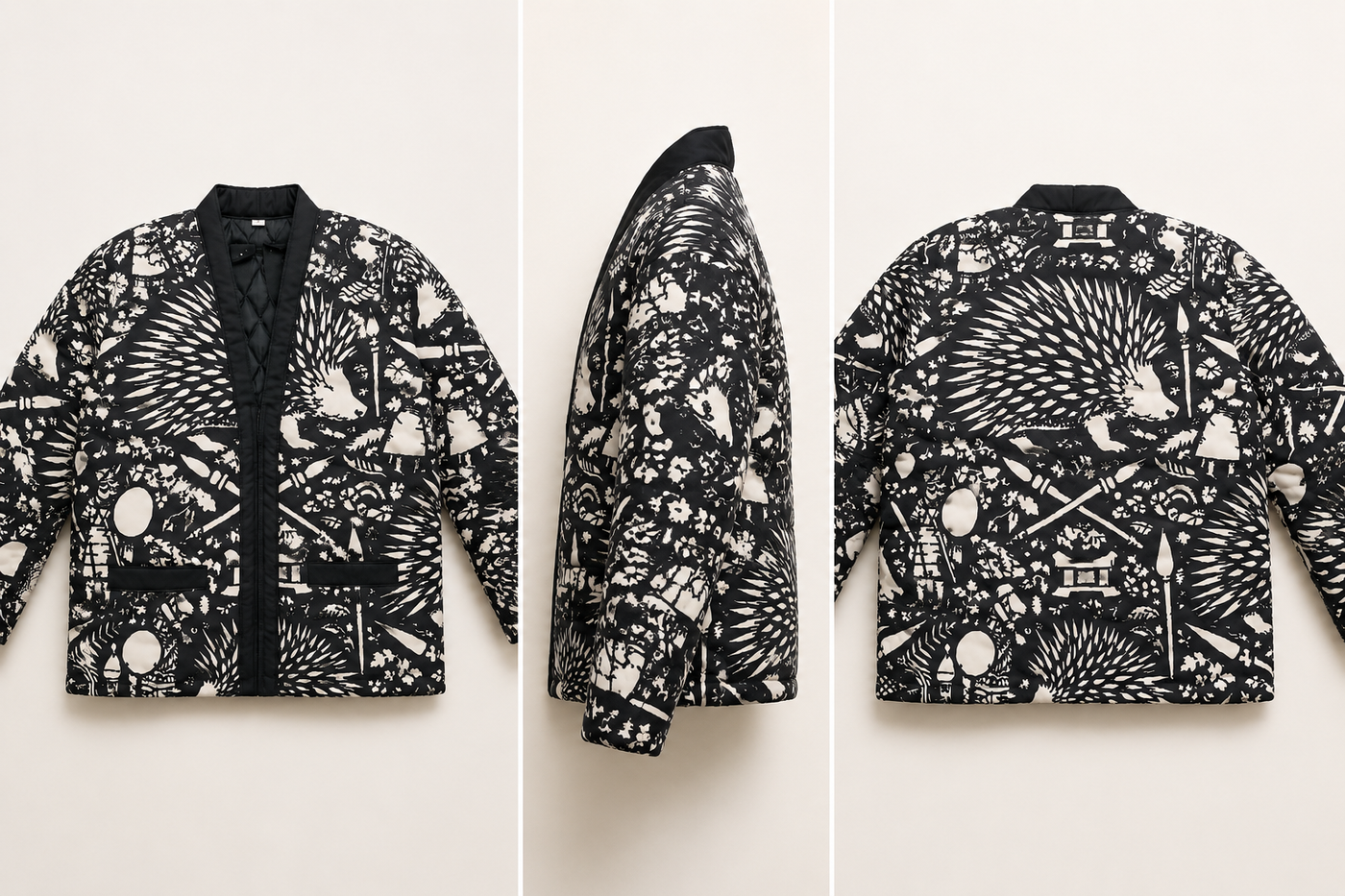
The BATA Kimono is not a historical reproduction.
It is a contemporary study built from these shared principles.
A relaxed silhouette.
Wide kimono sleeves.
A shawl collar.
An open front.
Two patch pockets.
An all-over Kotoko pattern referencing the porcupine—an enduring Asante symbol of collective defence, preparedness and resilience.
Every design decision serves movement before ornament.
The garment protects not through armour, but through ease, confidence and presence.
A Modern War Uniform
Conflict has changed.
Many of today's battles cannot be seen.
Migration.
Identity.
Belonging.
Memory.
Adaptation.
The BATA Kimono asks what a modern uniform should become when protection is no longer measured in steel.
The answer is not more armour.
It is better movement.
Separate worlds.
The same structural truth.
The garment does not imitate history.
It studies it.
Movement prepares.
Layering protects.
Clothing remembers.