
Field Note — Study 001
DUKU Scarf
Pronounced: DOO-KOO
A field study examining the duku as a language of presentation, comparing West African wrapping traditions with Japanese head cloths to explore cloth as preparation, identity and memory.
The DUKU Scarf
The DUKU Scarf began with a question.
How can cloth prepare the body without becoming armor?
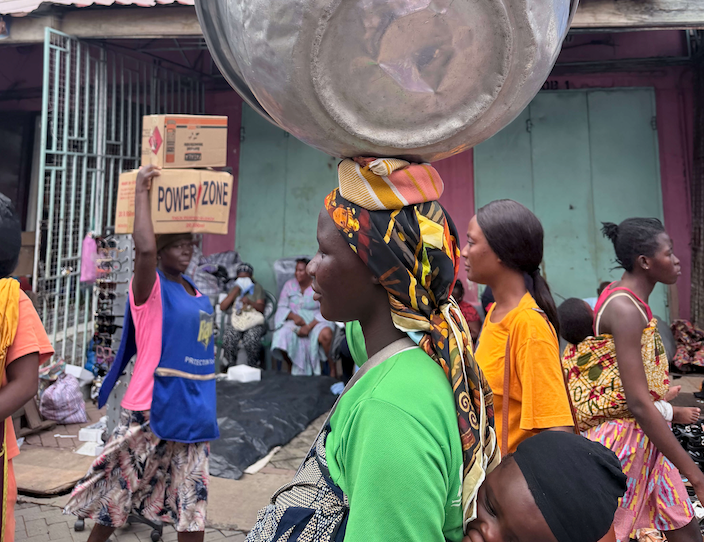
Across cultures, pieces of cloth have wrapped the head long before they became fashion. They have communicated readiness, dignity, focus and belonging. This study follows those shared ideas through West Africa and Japan before asking what they might become today.
Not A Simple Accessory
The duku is often described as a head wrap.
That description is incomplete.
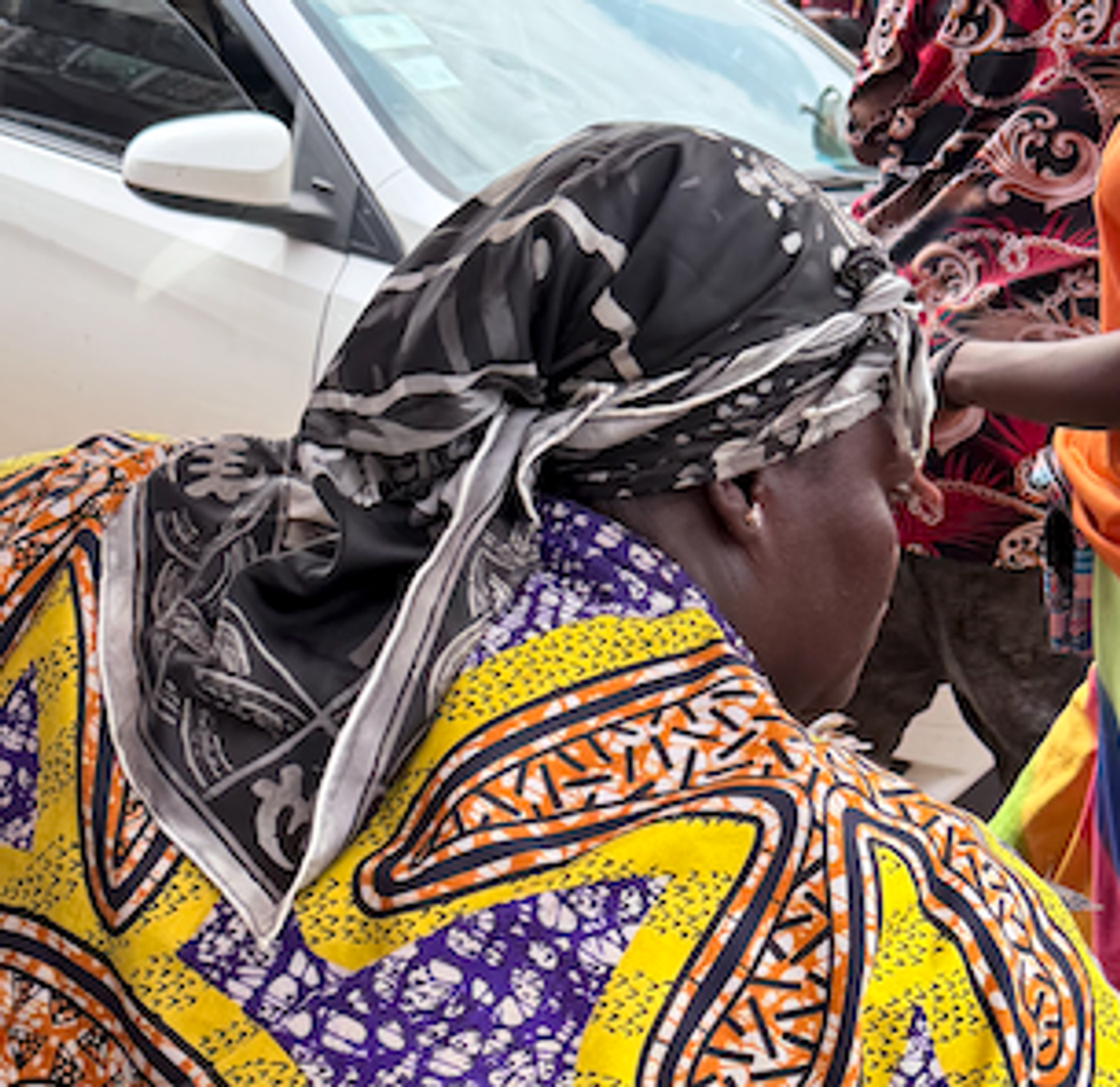
Across Ghana and much of West Africa, wrapping the head has long carried social meaning. A carefully tied duku can communicate ceremony, maturity, respect, celebration or mourning before a word is spoken.
The cloth changes posture as much as appearance. It asks for patience, repetition and intention.
The head is not hidden.
It is composed.
Parallel Traditions
The duku is not unique in treating cloth as preparation.
Japan developed similar objects for different environments.
The hachimaki was tied before labour, training and battle. It signalled concentration, commitment and readiness.
The tenugui remained more adaptable. A single rectangle of cloth could become a towel, head covering, neck wrap or carrying cloth depending on circumstance.
Different cultures.
The same instinct.
Prepare the body through cloth.
Cloth As Order
These traditions differ in appearance but arrive at remarkably similar ideas.
The duku signals dignity.
The hachimaki signals resolve.
The tenugui signals readiness.
None of them protect through hardness.
They organize the body before action.
The BOW Interpretation
The DUKU Scarf is not designed around nostalgia.
It asks what happens when an object rooted in ceremony becomes part of contemporary daily life.
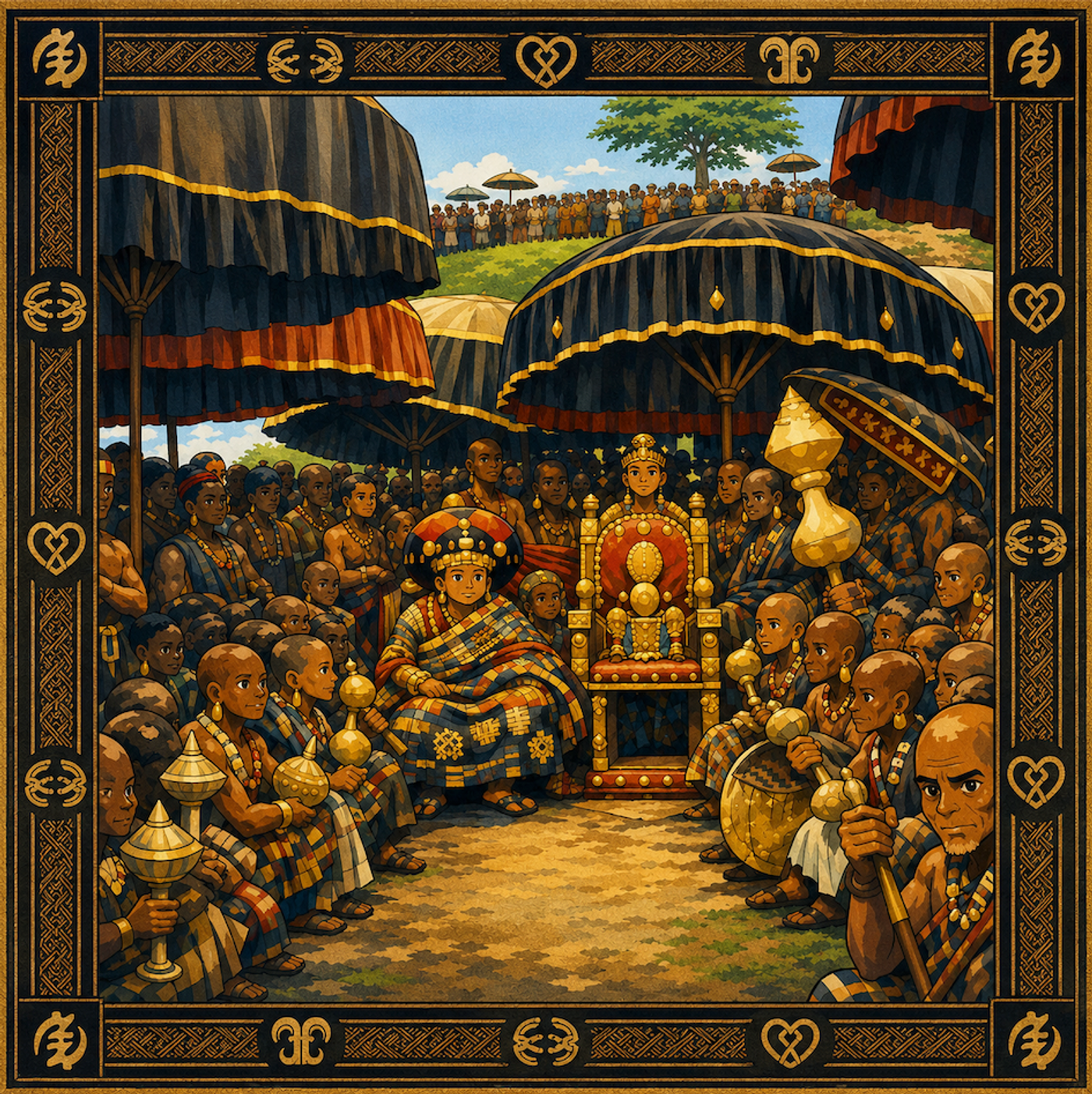
Printed on a 90 × 90 cm silk twill square, the scarf centers an historical Asante court scene surrounded by a symbolic border drawn from Ghanaian visual language.
It may be wrapped around the head, worn around the neck, folded, carried or displayed.
Its function changes.
Its meaning remains.
It Wraps.
It signals.
It remembers.
War, in this context, is not always visible.
Preparation is.